This article is about using mindfulness for burnout. We will explore the question What is Burnout? and give a few solutions to prevent it. With a stressful life juggling work, family, and so many other responsibilities, burnout is more common than people think. It is okay to take a moment to care for yourself. This post will teach how to use simple mindfulness exercises to prevent burnout and manage your stress.

Some links in this post are affiliate links. This means I may earn a small commission — at no extra cost to you — if you purchase through these links. Thank you for supporting this blog and helping me continue creating free content. See Disclaimer.

What is Burnout Stress?
Burnout is the feeling of constant overwhelm and stress you have when life is just too much. Is your mind full of racing thoughts and what you need tio do next? Finding it hard to enjoy fun activities at family time? It could be because of burnout.
Am I Burnt Out?
So, how exactly do you know if it is burnout? Well, like many other diagnoses, there are symptoms. An article from the National Library of Medicine found common signs in people who are caregivers or work in caregiving. However, these same symptoms can be found in many who are suffering from burnout in their everyday lives.
Burnout Symptoms
The symptoms of burnout can be Physical, Emotional, and/or Behavioral.
The Burnout Solution? Mindfulness for Burnout
So if burnout and stress cause so much harm, what is the solution?
What is the Role of Mindfulness in Burnout?
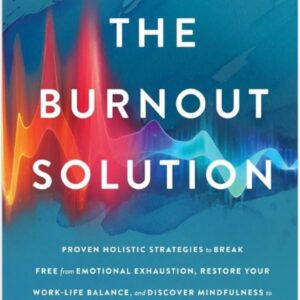
The Burnout Solution
The Burnout Solution by Dr. Melissa Atieh, PharmD is a concise, practical guide for anyone feeling emotionally exhausted and stuck in chronic stress. She emphasizes whole‑person strategies rather than quick fixes, pairing everyday habits with mindfulness to help you recover energy and clarity.
Mindfulness-Based Interventions for Burnout
A 2021 review and meta-analysis of 10 studies (417 primary healthcare professionals) found that mindfulness can genuinely take the edge off burnout. Emotional exhaustion dropped by a noticeable amount, depersonalization (that numb, cynical feeling) eased a bit, and people felt a small lift in personal accomplishment.
The research isn’t perfect—small samples, some bias—but the pattern is clear: practiced regularly, mindfulness helps you feel less fried and more effective. Think of it as a learnable skill: paying attention on purpose, right here, right now, with a touch of kindness.
The study was focused on working professionals and the obvious became clear: Mindfulness won’t fix workload or make changes to your company. But you can make changes in your workplace that will pair well with mindfulness for a better effect.
NOTE: If burnout symptoms are severe or persistent, consult a healthcare or mental health professional.

What are some Ways to Get Out of Burnout
Stress is damaging to the body both mentally and physically. Self-care is the ultimate “you time”, where you get to press pause on the chaos and recharge. That moment of pause is Mindfulness. Meaning, there is no surprise that mindfulness is how YOU will get out of burnout.
Mindful Activities for Burnout
Okay, I’m done teasing. I’ve spoken a lot about how you can use mindfulness for burnout. Now it is time to put my money where my mouth is. Here are 3 Mindful Activities you can do to help prevent burnout.

Tai Chi or Qi Gong
If you’ve been craving a calmer, steadier pace, Tai Chi or Qigong is a beautiful way to get there. The movements are slow and intentional, the breathing is unhurried, and your attention naturally settles into your body. Yes, classes take time (often 60–90 minutes) and there’s a learning curve—but that’s the point. You’re training focus, balance, and patience while your nervous system quietly downshifts. The group vibe helps you show up, and a good teacher will meet you exactly where you are. After a few weeks, you’ll likely notice you’re moving through your day with a little more ease.
Pottery Wheel Art
Messy? Absolutely. Worth it? Completely. Sitting at the wheel asks for your full attention—hands steady, breath steady, eyes on the clay. There’s no multitasking here; the moment you drift, the piece lets you know. It’s humbling, tactile, and surprisingly calming once you get the hang of centering. Classes can run for several weeks and studio time isn’t cheap, but you leave with something you made with your own two hands—and a more grounded mind. It’s mindfulness you can hold.


Floatation Tank
Picture a warm, super-salty pool where you effortlessly float in quiet and near-dark. A 60–90 minute float strips away distractions so you can notice your breath, your heartbeat, and the simple sensation of being supported. It’s a splurge, and you’ll want to plan around it (skip caffeine, show up a bit early), but many people walk out feeling spacious and reset—like a deep exhale for your nervous system. If you’ve been curious about deeper stillness, this is a gentle way to try it.
How to Use Mindfulness for Burnout at Home
These options are lovely, but they can ask a lot. Where would you find the time or the money up front, and with all that exhaustion, where will you get energy to get there? Some weeks, that’s just not realistic. The good news: you don’t need a special space (or a big budget) to feel calmer and more present. You can get many of the same benefits with simple, at-home practices that fit into real life—no commute, no sign-up, no gear. Here are 5 At-Home, Budget-Friendly mindful activities you can try:
Mindfulness for Burnout at Home

Gratitude Journaling
This is easy. Grab a notebook and list three specific things you appreciate today. Go for details—the smell of toast, a kind email, sunlight on the floor. Pause with each one for ten seconds. It’s quick, free, and shifts your brain toward what’s working. Try it nightly and watch your mood quietly brighten. Grab your new notebook and get started.
Thought Labeling
Sit quietly for a minute, noticing thoughts as they appear. Instead of getting pulled in, softly name them: “planning,” “worrying,” “remembering,” then return to your breath. Labels create just enough space to choose your response. No gear, no fuss—just gentle awareness training you can practice anytime, anywhere. Start with two.


Loving and Kindness Minute
Set a one-minute timer. On each exhale, quietly speak affirmations of self-love: “May I be safe, healthy, and at ease.” Self-love and kindness are often missing in times of high stress. You let feeling of self-doubt creep in instead of focusing on your positives. This simple practice softens edges, warms your mood, and quietly strengthens connection. Use these affirmations to try it daily.
Walking Meditation
Choose a quiet hallway or patch of sidewalk. Walk slowly, feeling heel, arch, toes with each step. Let arms rest naturally and breathe gently. When your mind wanders, return to your feet. Five mindful minutes refresh your focus, calm your nerves, and turn an ordinary stroll into practice. Then talk it outside and enjoy the many benefits of nature.


Candle Gaze (or LED Candle)
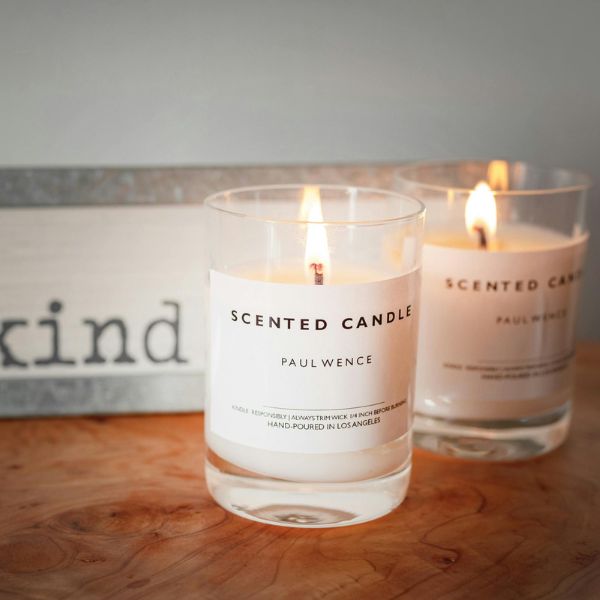
Dim the room and light a candle. Soften your eyes on the flame and breathe naturally. When thoughts pull you away, gently notice and return to the flicker. Three to five minutes is plenty. It’s simple, soothing, and trains focus—like a mini reset button for your busy mind. Try nightly.
Burnout Prevention Kit


So Start Using Mindfulness for Burnout
Burnout isn’t just feeling tired; it’s the slow leak where energy, focus, and joy drip away. You push through, then push more—and everything feels harder, smaller, heavier. The signs? You’re snappier, scattered, and not sleeping great. Your brain’s flashing “low battery,” but you keep hitting snooze.
Mindfulness is the charger. It helps you catch early signals—tight shoulders, racing thoughts, shallow breaths—before your day snowballs. Tiny practices create micro-pit stops: three slow breaths between emails, a five-minute walk after lunch, a one-minute kind wish before bed. You’re not “fixing” stress; you’re building capacity to meet it with steadier nerves and a clearer head.
Ready to protect your energy? Explore our Mindful Activities hub on the blog to find a simple practice that fits your life—art, journaling, walking, tea rituals, and more. Pick one, try it today, and notice the shift. Your calm is closer than you think. Start small. Start now.