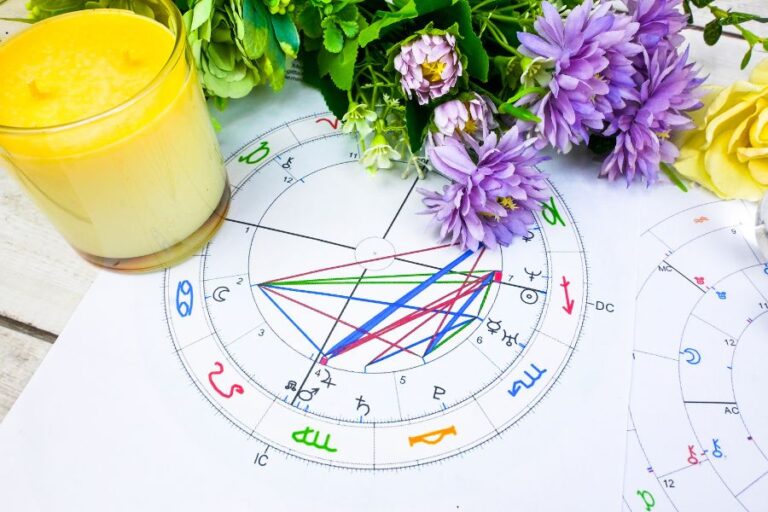
Have you felt a bit “off” lately? Maybe your mood zigs and zags, your focus slips, and the smallest thing feels like a lot. That’s emotional imbalance, and it can ripple through your body and your days. Work feels heavier, and hanging out starts to feel like a chore. You’re not broken. You’re human. In this post, we’ll explore mindfulness for emotions. With simple, intentional ways to notice what’s happening inside, soothe your system, and find steadier ground. From big routines to small exercises, you can get control. Don’t worry about perfection. These are tiny practices you can use right away to calm the swirl, clear some space, and gently bring your balance back. Curious? Let’s start small together.

Some links in this post are affiliate links. This means I may earn a small commission — at no extra cost to you — if you purchase through these links. Thank you for supporting this blog and helping me continue creating free content. See Disclaimer.

What is Emotional Imbalance?
Emotional imbalance is when your feelings swing or stick, and everyday stuff feels harder. You might be edgy, flat, or overwhelmed, with foggy focus or sleep off. It’s your system out of sync.
Should You Use Mindfulness for Emotions?
If your mood swings are wearing you out, your mind feels foggy, or small things feel strangely big, mindfulness can help. Think of it as a pause button: a way to notice what’s happening inside, soften the stress response, and choose your next step with a clear mind. It’s not about forcing calm or “fixing” feelings. It’s about letting them move through and be a part of your life without taking over your day.
Time: Flexible. Equipment: Optional. A 2010 meta-analysis in the Journal of Consulting and Clinical Psychology found mindfulness-based therapy reduces symptoms of anxiety and depression.
Mindfulness is especially helpful if you crave steadier energy, want fewer knee‑jerk reactions, or need a simple practice that fits a busy life. If your symptoms are intense or persistent, pair mindfulness with professional support. Think of mindfulness for emotions as part of your toolkit, not the whole toolbox. Start small, show up gently, and let balance build.

Mindfulness for Emotions: Pick a Practice You Can Do
The best part about mindfulness is that it is adaptable, changing. There is no ONE way to DO mindfulness, which means there are several ways to use mindfulness for emotions and emotional balance. Mindful activities are things you do on purpose, with your full attention, and a kind attitude toward yourself. You slow down. Exactly what you need when everything is off-kilter.
The goal when doing mindful activities is to notice what is happening within and around you. Then use that information to choose your next steps. You can pair multiple mindful activities and exercises that best fit you and finally feel on-kilter again.

Key Qualities of Mindful Activities
A comprehensive mindful activity focuses on 4 key qualities:
5 Mindful Activities to Regain Your Balance
Have you figured it out yet? The way to use mindfulness for emotions and stop feeling “off” is MINDFUL ACTIVITIES. These are the things that instantly come to mind when you think of mindfulness: Journaling, Meditation, and Yoga. But this can also be small things you never thought of like: Morning coffee, Walking around your neighborhood, or Doing the laundry.
I’m going to teach you about the 5 Best Mindful Activities to help you regain emotional balance.
Meditation
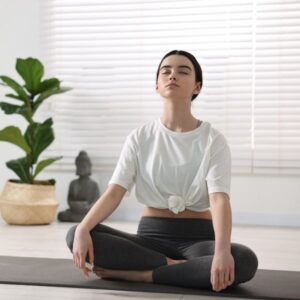
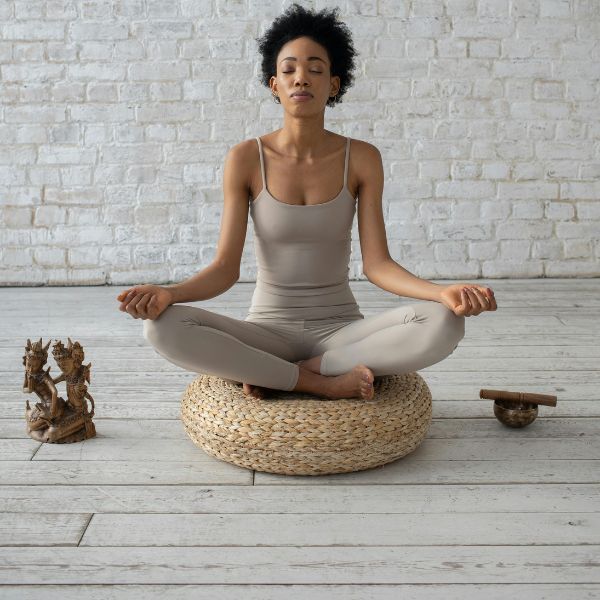
Meditation is simply sitting with your breath and paying gentle attention. You don’t have to silence your mind or float away on a cloud. You just notice: inhale, exhale, thoughts, feelings, body. When your mind wanders (and it will), you say “thinking,” and come back. That tiny return is the workout. Emotional regulation grows from this. You build a small pause between a feeling and what you do next. Slow breaths tell your body it’s safe, which softens the intensity of big emotions. You learn to name what’s here without fighting it, and feelings pass more easily.
Start with two minutes. Eyes open or closed. No incense required. Be kind to yourself, especially on the fidgety days. Showing up is the practice.
Starter Tools

Journaling
Journaling is a conversation with yourself on paper. No grammar rules. No perfect sentences. You set a timer, pick a prompt, and let the pen move. Write what you feel, where you feel it in your body, and what you need next. When emotions feel tangled, writing lays them out in a line so you can see them clearly. That clarity helps you regulate. Naming a feeling lowers its volume. Getting thoughts out of your head gives your nervous system a break. Patterns show up, too—what triggers you, what helps, what to try next. End with one kind sentence to yourself or a tiny plan for the next hour.
Three minutes is plenty. Scribbles count. Your notebook can hold it.
Yoga
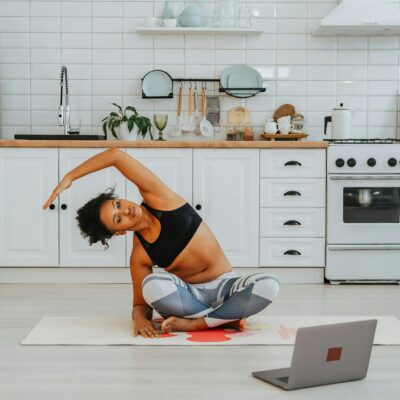
Yoga here means gentle, mindful movement linked with breath. Think: Cat–Cow, forward fold, Child’s Pose, a slow twist. You meet your body where it is today. Be a beginner, no pretzel shapes needed. Moving with the breath releases tight spots and drains some of the extra emotional energy. As your muscles soften, your mind follows. That’s regulation in action. You feel more grounded, less buzzy. You also practice choice: pause, adjust, back off, or stay. Those choices on the mat turn into choices in life when feelings surge. Try these poses for emotional regulation.
Two to five minutes is enough. Keep it simple. Connect to your body. If you sigh at the end, that’s your body saying thank you.


Mindful Art
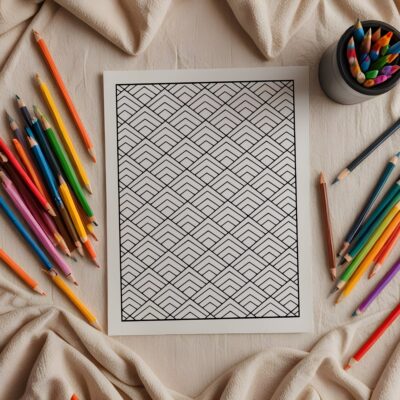
Mindful art is creating for the process, not the product. You choose colors that match your mood and make lines, shapes, or textures while you breathe. No skill required. Any materials work: crayons, markers, or whatever you have. When words are hard, art gives your feelings a place to go. It turns “I’m overwhelmed” into blue swirls, sharp zigzags, or soft shading. That act of expression helps emotions move instead of bottle up. Your senses also get involved—color, motion, touch—which can be very soothing.
Set a 3‑minute timer. Fill the page without judging it. Then look at what you made and name one word for the feeling inside it. Keep or recycle the paper. The relief comes from the making. Learn the benefits of coloring pages and other creative art.
Mindful Walking
Mindful walking is simply walking on purpose and paying attention as you go. Shoes on, phone in your pocket. Feel your feet roll from heel to toe. Match a slow breath to your steps. Notice the world around you—light, sounds, air on your skin. The steady left‑right rhythm settles your body and burns off jittery energy. Emotions that felt stuck start to loosen. You get space to choose your next move instead of reacting. If you can go outside, great. Our ultimate guide to Nature Walking will help you use mindfulness outside. If not, wander a hallway or your living room.
Try the 5‑4‑3‑2‑1 game: five things you see, four you hear, three you feel, two you smell, one you taste. Two minutes counts. Come back when you need a reset.

Get Started Using Mindfulness for Emotions Today!
You don’t need a perfect plan. You just need one small moment. Start where you are.
If you want more support, our blog has simple, step‑by‑step guides for each practice we cover: meditation, journaling, yoga, mindful art, and more. Plus lots of other mindful activities to explore. Think: mindful eating, breathwork, body scans, and more. Take a peek. Save a favorite. Come back when you need a reset.
Ready to try mindfulness for emotions and emotional balance? Choose your path:
- Need a quick win? Take two minutes right now. Feel your feet. Inhale for 4, exhale for 6. Name one feeling. Take one kind next step. Find 10 5-minute Mindfulness Exercises in this post.
- Go deeper: join a class for guided, steady practice. Learn the skills, ask questions, and build your routine.
- Keep learning: read a guide, try the mini exercises, and notice what helps. Follow us on Instagram for some ideas.
Whatever you choose counts. No perfection required. Be a beginner and try each activity one at a time. We’re cheering you on.