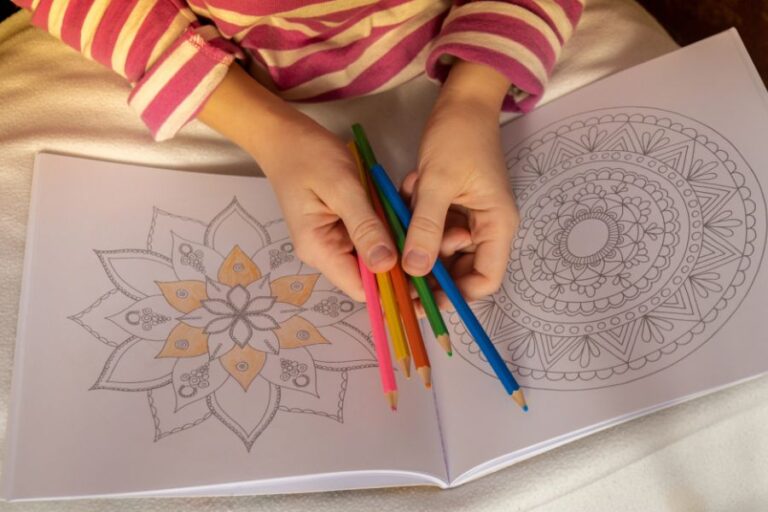
Mindfulness is more than a nice idea. It’s something you do. When most people picture mindfulness, they see a person sitting very still. Eyes closed. Super calm. Me? I think of a slow walk in the woods, breathing easy. That counts. Mindful activities are simple things you do with full attention, like walking, eating, washing dishes, or listening to a song. No special gear. No perfect mood. Just you, the moment, and a gentle pace.
In this beginner’s guide, we’ll keep it real and practical. You’ll learn what mindful activities are, why they help, and how to start with tiny steps you can take today. One minute here. Five minutes there. We’ll share easy ideas for home, work, and on the go, plus tips to make the habit stick. No pressure, no judgment. Just small shifts that help you feel a little calmer, clearer, and more present in your day.

Some links in this post are affiliate links. This means I may earn a small commission — at no extra cost to you — if you purchase through these links. Thank you for supporting this blog and helping me continue creating free content. See Disclaimer.

Related Post: What is Mindfulness? A Beginner’s Guide
What Are Mindful Activities?
They’re everyday actions you do with kind, steady attention so you feel calm and present while you do them.
Put simply, mindful activities are regular tasks done on purpose, with gentle focus and without judgment. You notice your senses, your breath, and what is happening right now. Formally, mindfulness is paying attention to the present moment intentionally and with acceptance; mindful activities apply that stance while doing things like walking, eating, cleaning, creating, or working.
The best part? They come in all shapes and sizes. There are activities with no special tools required, just a clear intention and a steady return when your mind wanders. This approach reduces stress, supports focus, and makes daily life feel less rushed. Curious how this differs from sitting meditation? Great question—let’s compare the two next, together.
Mindful Activities vs. Meditation
When people hear “mindfulness,” they often picture meditation: lots of sitting, lots of silence. And yes, that counts. But it’s not the whole story. Mindfulness is something you do. Sometimes that’s a quiet seat. Sometimes it’s paint on a canvas, a gentle sunrise yoga flow, or a slow walk under the trees. You don’t have to be still to be present. You just have to pay attention, on purpose, with kindness. If sitting feels tough, move. If quiet feels edgy, add music. Keep it simple. Here’s a list of mindful activities that focus more on doing something active:
List of Mindful Activities

Why Mindful Activities Matter
Why do mindful activities matter? Because they help you feel better in real life, not just in theory. When you bring gentle attention to simple tasks, your body settles, your mind clears, and your day runs smoother. Everyone needs a few breaths on a hectic day. It doesn’t take a lot to get going either. You can start where you are, with what you have. Here are the benefits you’ll likely notice, even with a minute or two a day.
Benefits of Mindful Activities
Even small doses of everyday mindfulness make a measurable difference in how you think and feel. In beginners, just a few brief mindfulness sessions improved executive attention, alongside changes in brain activity (event-related potentials). Short, daily mindfulness practice also enhanced mood and emotional regulation while boosting cognitive performance in non-meditators. And in real life, an eight-session mindfulness program reduced day-to-day stress reactivity and improved emotion regulation in first-year college students.
Principles of Mindfulness Through Doing
Mindfulness through doing keeps things simple: you use everyday actions to calm your body and clear your mind. Writing a note can turn into a moment of quiet reflection, or a simple stretch can evolve into a yoga flow that relieves tension in the body. Let those moments help you unwind. These four core principles are your guide. They turn tasks into reset buttons. When stress spikes, they help you slow down, breathe, and feel more in control. Try them as you live your day.
Types of Mindful Activities
Want ideas you can actually use today? There are at about four buckets that these calming activities can fall into. To get started, you simply need to pick one.
Movement-Based Activities
Anything where your body leads and your mind follows. Think gentle, repeatable motion you can do safely: walking, stretching, slow dancing, tai chi. You feel feet, muscles, and breath. Look for moves you can keep steady, without strain or speed. When your body finds a rhythm, your thoughts soften and your stress starts to slide off.
Creative Activities
Activities where you make, shape, or express. The focus is process, not perfection: sketching, coloring, journaling, knitting, simple crafts, music. You notice color, texture, sound, and the feel of your tools. Look for slow, hands-on steps you can repeat. Small strokes and loops steady attention and give your busy mind a gentle rest.


Nature-Based Activities
Time with living things and natural settings, outside or by a window. Walking in a park, tending a plant, watching clouds, feeling sun or breeze. You tune into light, air, scent, and small sounds. Look for quiet places and unhurried moments. Let nature set the pace. Your system syncs down, and calm follows.
Everyday Routines
Ordinary tasks you already do, done on purpose and at a kinder speed. Dishes, shower, teeth, making the bed, folding laundry, brewing tea. You use one sense at a time and breathe with the motions. Look for simple, repeatable steps. These small anchors weave calm into your day without adding anything new.
Easy Mindful Activities to Try Today!
Here are simple, no-fuss practices you can use anytime. Pick one and try it today. Short is great. They fit anyone’s lifestyle.
5-Minute Mindful Walk
Time needed: 5 minutes
- Walk a little slower; feel heel-to-toe.
- Match breath to steps (e.g., 3 steps in, 3 out).
- When your mind wanders, return to your feet.
Gratitude Glance
Time needed: 1-2 minutes
- Look around and pick three helpful objects.
- Name how each one supports you.
- Breathe out a quiet “thanks.”


Mindful Dishwashing
Time needed: 2–5 minutes
- Turn on water and notice the temperature.
- Wash slowly; feel the soap and motions.
- Rinse, dry, and take one easy breath.
Stretch Sequence
Time needed: 3-7 minutes
- Neck: slow side bends and gentle turns with breath.
- Shoulders: roll, then squeeze and release.
- Hips: stand, hinge forward, and do a light figure-four or lunge.
Make Mindful Activities Stick
Ready to make mindfulness stick for real? Longer sessions—like a gentle yoga flow, a Zentangle drawing, or a few rounds of tai chi—give your brain a deeper reset. The secret is simple: pick one practice, keep a steady rhythm, and be kind when life gets messy. No perfection needed. Just clear steps you can repeat this week.
- Choose One Practice and a Why
- Set a Steady Time and Place
- Prep and Remove Friction
- Use a Start-and-Finish Ritual
- Track Wins and Plan for Bumps
Common Mistakes
Three common hiccups trip most beginners. First, expecting instant calm. You sit, breathe, and hope for magic. When it’s still noisy in there, you think you failed. You didn’t. Calm grows with reps, like muscles. Second, starting too big. An hour class, a perfect setup, ten new rules. That’s a fast track to “I’ll do it later.” Start tiny and steady: ten minutes, one video, same time, most days. Third, judging your wandering mind. Minds wander. That’s their job. The practice is noticing, smiling, and coming back to breath or movement. Over and over. That return is the win.
Try this: pick one simple practice for the week, set a soft reminder, and celebrate showing up, not results. Miss a day? No drama. Begin again tomorrow. You’re not behind. You’re learning a new skill, kindly, at your pace. That’s how mindful habits stick—and yes, you can do this. Start today.
FAQs About Mindful Activities
Get Started! (Conclusion and Links)
You don’t need a perfect setup or a zen personality to start. You just need one small moment. Try a sip, a song, a stretch, or a slow walk. Pick one, breathe, and notice. That’s it. If your mind wanders (it will), smile and come back. No scolding. Be kind to your body. Be curious, not perfect. Keep it simple and repeat tomorrow. Tiny steps add up. Five minutes here, ten there, and you’ll feel a little more steady. You deserve that. Begin today, right where you are. One breath, one move, one mindful minute. You’ve got this—really. I promise.