Are you new to mindfulness? Have you heard that you should try meditation? Let me guess, you are thinking, “Okay, but what is meditation, really?” You’re in the right spot. Meditation is simply training your attention so your mind can settle. No special cushion needed. A chair is fine. Eyes open or closed. Mind wanders? Totally normal.
Here’s the plan. In this beginner’s guide, you’ll learn what meditation is (in plain words), how it helps with stress and focus, a few easy styles to try, and a quick 5-minute setup you can do today. We’ll also share fixes for common hiccups like “I can’t sit still” and “I’m doing it wrong.”
This blog covers many mindful activities—coloring, journaling, yoga—but meditation is the obvious starting point. Think of it as your simple, steady base. Ready to try a small, calm moment that fits real life? Let’s start.
Some links in this post are affiliate links. This means I may earn a small commission — at no extra cost to you — if you purchase through these links. Thank you for supporting this blog and helping me continue creating free content. See Disclaimer.
What is Meditation?
What is meditation? It’s a simple practice for training your attention on purpose, with kindness. You choose a gentle focus (your breath, a sound, a word) and you keep returning to it when your mind wanders. That’s the whole game: notice, return, repeat. It’s not about “emptying your mind.” It’s about building a steadier, friendlier way to be with your thoughts.
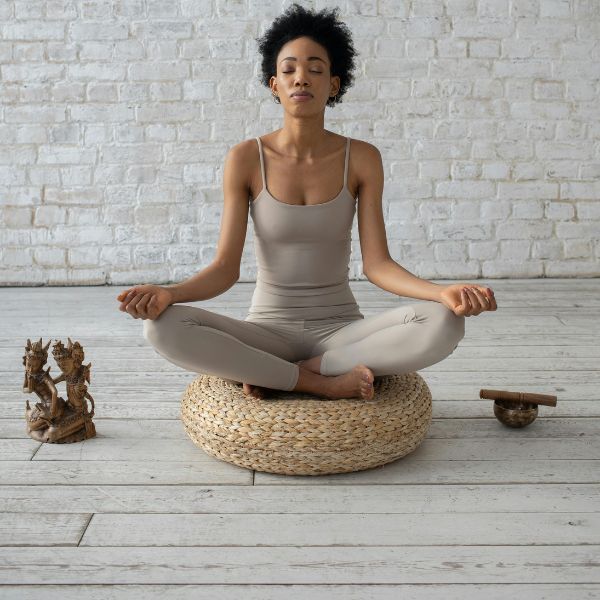
Most people think of meditation as sitting in a room on a cushion in silence for hours. Their eyes are closed as they attempt to empty their minds. But that’s only one way to imagine meditation. Truth is you don’t need special gear or long sessions. A chair is perfect. Eyes open or closed. Two minutes counts. Five minutes is great.
Meditation is one way to practice mindfulness on purpose, while mindful activities (like walking, coloring, or journaling) bring the same quality of attention into everyday life.

What is Meditation like in Action
A quick real-life moment: It’s 2:15, your day is packed, and your brain feels like tabs on tabs. You set a 5-minute timer, sit with both feet on the floor, and rest a hand on your belly. You feel the rise and fall. Thoughts jump in—meeting notes, dinner plans. You label it “thinking” and come back to the breath. Again and again. The timer chimes. Your shoulders are lower. The to-do list didn’t vanish, but you feel more settled and clear. You reply to one email in one go, and the rest of the afternoon feels a little easier.
That’s meditation: tiny, repeatable moments of focus that help you respond rather than react.
Benefits of Meditation (According to Science)
The benefits aren’t just hype. In a 2014 review in JAMA Internal Medicine, researchers looked at dozens of studies and found that mindfulness meditation programs can help reduce anxiety, depression, and even pain. In plain terms: short, regular practice can help your brain handle stress a little better.
- Less stress: a few quiet minutes can dial down that “on edge” feeling.
- Better focus: easier to finish one thing at a time without bouncing between tabs.
- Calmer mood: more pause, fewer snap reactions when things get tense.
- More patience and kindness: with yourself, kids, coworkers—everyone.
- Creativity boost: when the noise drops, new ideas pop up.
Beginner Meditation Tools

Types of Meditation (Yes, there’s more than one)
There isn’t just one way to meditate. We’ve answered the question “what is meditation,” now let’s talk about how to meditate. There are many ways to practice focus, you simply need to find a style that fits your mood and energy. Here are the top five types of meditation you can try:
Breath Focused
You rest your attention on your breath or body and gently return when your mind wanders. Over time, you notice thoughts and feelings sooner and react less.
Best for: true beginners, quick stress relief, “anywhere” practice.
Try it: count five slow breaths, start again.
Mantra (Phrase)
You repeat a word or short phrase (silently or out loud) to give your mind a steady anchor. The rhythm helps quiet racing thoughts and builds focus.
Best for: busy, chatty minds; folks who like structure or rhythm.
Try it: inhale “let,” exhale “go,” for 3 minutes.


Visualization
You imagine a calming scene, warm light, or a goal, and keep coming back to that image when distractions pop up.
Best for: visual thinkers, motivation, easing worry.
Try it: imagine a warm light moving from head to toes.
Movement Based
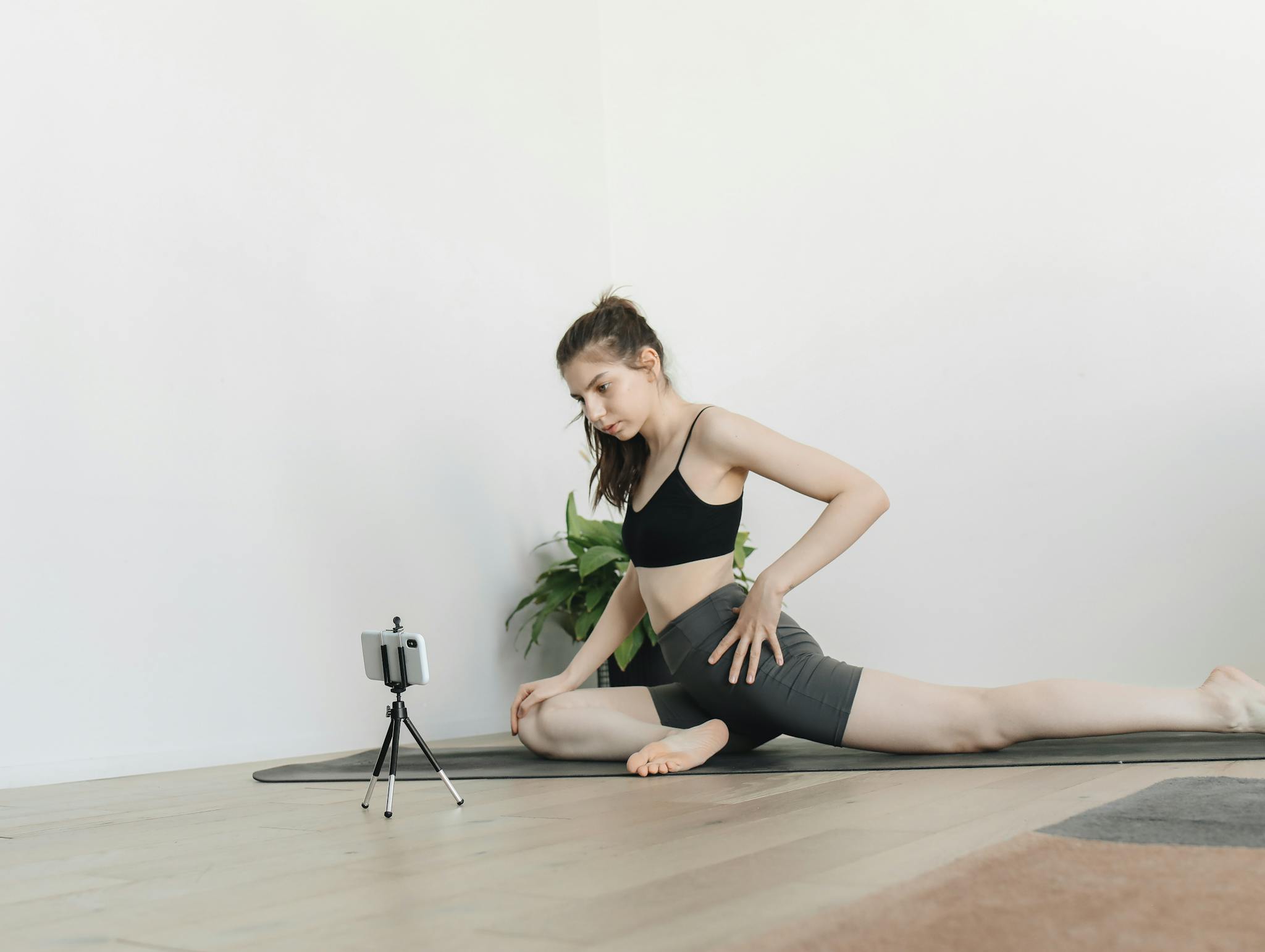
You bring mindful attention to gentle movement—walking, stretching, or yoga—focusing on the feel of your feet, muscles, and breath.
Best for: “I can’t sit still” days, restless energy, desk-breaks.
Try it: walk a short loop; feel your feet on the ground.
Guided vs. Unguided
Guided meditations use a teacher or app to lead you with prompts, which is helpful when you’re starting or want support. Unguided is just you and a timer, letting you practice in silence and set your own pace.
Best for: guided = starting out or when you want support; unguided = quiet mornings or when you know the steps.
Try it: begin with a 5-minute guided track, then repeat it on your own tomorrow.
How to Start Meditating in 5 Minutes
Here’s your simple guide to start meditating today.
- Set a 5-minute timer. Sit upright but relaxed, feet on the floor. Soften your gaze or close your eyes.
- Take 3 slow breaths. Feel the chair and your weight. Let your shoulders drop.
- Choose an anchor: breath at the nose or belly. Use a simple script: “Inhale, feel. Exhale, release.” Or count breaths 1–10 and start over.
- When thoughts pop up, label “thinking” and return to the breath. The gentle return is the practice.
- Halfway, do a quick scan: relax forehead, jaw, and shoulders.
- In the last 30 seconds, open attention to sounds, body, and breath together.
- When the timer rings, take one deeper breath, name one word for how you feel, and pick a time to repeat tomorrow.
Beginner Gear Guide: Apps for Meditation
If you’re still wondering “what is meditation” or just want help getting started, these apps make it easy with short guides, reminders, and friendly teachers. Pick one, try a 5-minute session, and see how it feels.
Headspace
Friendly guided courses for beginners with lots of short sessions and helpful sleep content. Great for building a daily habit.
Best for: total beginners and quick daily routines.
Why we like it: super clear Basics course, playful style, and great sleepcasts. Lots of 3–10 minute sessions. Free basics; full library with subscription.
Calm
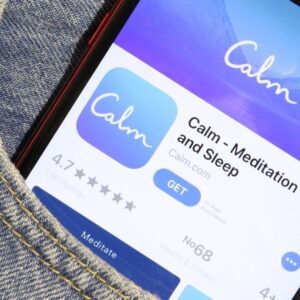
Soothing meditations, the “Daily Calm,” and Sleep Stories for stress and better rest. Easy to use anytime you need a reset.
Best for: stress relief and better sleep.
Why we like it: soothing “Daily Calm,” Sleep Stories, music, and nature sounds. Easy to open anytime you need a reset. Limited free tracks; more with subscription.
Insight Timer
Huge free library of guided tracks plus a customizable timer. Perfect for exploring different styles and teachers.
Best for: big free library and a solid timer.
Why we like it: thousands of free guided meditations, a customizable bell timer, and live events. Great if you want variety. Optional premium courses.
Ten Percent Happier
Practical, science-friendly lessons from top teachers with short, doable sessions. Ideal for skeptics and busy schedules.
Best for: skeptics and busy brains.
Why we like it: short, practical lessons from top teachers and in‑app coaching for subscribers. Down‑to‑earth and science‑friendly. Free trial, then subscription.
Waking Up
Combines meditation practice with short talks that explain how and why it works. Good for going deeper into awareness and philosophy.
Best for: deeper practice and curious minds.
Why we like it: blends practice with bite-size lessons that explain how and why meditation works, plus thoughtful interviews. Free trial; paid plans with scholarships available.
Ready for What’s Next?
You’re ready to begin. You now have a simple 5‑minute method, a few styles to try, and beginner‑friendly apps to guide you. Remember: consistency beats intensity—five minutes most days can shift the tone of your whole day.
Next steps
- Pick one app from the Beginner gear guide: Apps for meditation and try a 5–10 minute session tonight.
- Learn the foundations in What Is Mindfulness? and bookmark it for refreshers.
- Build calm on demand with Breathing Exercises for Beginners.
- Save a go-to practice like the Mindful Walking Guide.
If this was helpful, set a reminder for tomorrow and keep it light—curiosity over perfection. For bite‑size prompts, weekly challenges, and daily reminders to breathe, check out our Instagram page for mindfulness tips.