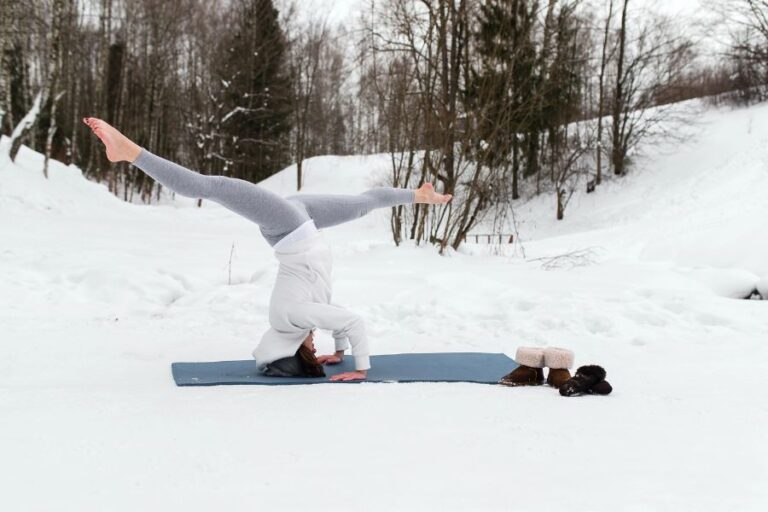
This post will tell you what is mindfulness. If you’ve heard the word mindfulness and wondered what? Get ready to learn all about it and how to try it in five minutes. This beginner-friendly guide cuts through the noise and shows you simple ways to feel calmer and more focused today.
Mindfulness is paying kind attention to the present moment on purpose. Don’t worry it is not hard to do. Got five minutes? Keep reading to find out how you can start practicing mindfulness today.

Some links in this post are affiliate links. This means I may earn a small commission — at no extra cost to you — if you purchase through these links. Thank you for supporting this blog and helping me continue creating free content. See Disclaimer.
What is Mindfulness?
Mindfulness is paying attention to what’s happening right now. On purpose. With kindness.
It’s a skill. You can practice it.
Your attention rests on what you’re doing, sensing, or feeling. When your mind wanders (and it will trust me), you notice and come back.
What is Mindfulness in 2 parts…
What is NOT Mindfulness?

Why Mindfulness Matters
How often do you encounter stress in your daily life?

The line at the Pharmacy…
You’re stuck in a slow line. You feel the rush in your chest and your jaw tensing. You notice it. You drop your shoulders. You feel your feet on the floor. You take one steady breath. The line doesn’t move faster. But you feel steadier, with a little more space.
The 3 p.m. slump…
It’s mid-afternoon. Your tabs are stacked. You keep switching tasks. You pause. You put both hands on your desk. One slow inhale, one longer exhale. You decide the next small step. You do just that. It takes 30 seconds. Your brain thanks you.

Those little moments that cause stress and tension in your everyday life compound over time. The added stress over time runs you down and can make even getting out of bed a burden.
How Mindfulness Helps
You don’t have to take our word for it. A 2014 systematic review and meta-analysis in JAMA Internal Medicine examined 47 randomized clinical trials (3,515 participants) and found moderate evidence that mindfulness meditation programs reduce anxiety, depression, and pain, with smaller improvements in stress/distress and mental health–related quality of life. The takeaway: structured mindfulness training can yield measurable benefits for mood and coping, especially when practiced regularly.
Reference: Goyal M, Singh S, Sibinga E.M.S., et al. (2014). Meditation Programs for Psychological Stress and Well-being. JAMA Internal Medicine, 174(3), 357–368. doi:10.1001/jamainternmed.2013.13018
Spark New Ideas and Grow Your Creativity HERE!
Explore the Power of Words for Better Sleep
What is Mindfulness vs. What is Meditation
Often when a beginner hears mindfulness, they imagine someone on a cushion meditating. And while similar, there is a difference between the two.
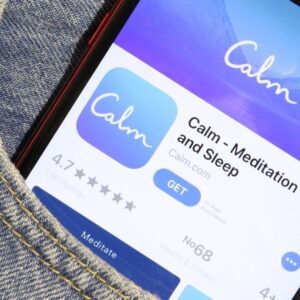
Meditation is a structured practice. You set aside time to sit, breathe, or follow a guided track. Like the Calm App.
Mindfulness can be practiced anytime, anywhere. Washing dishes. Walking the dog. Coloring a pattern.


Think of meditation as the “gym.” Think of everyday mindfulness as “steps you take all day.”
Mindfulness Myths
8 Simple Mindfulness Exercises for Beginners
Ready to try mindfulness, not just read about it? Below are eight beginner-friendly exercises you can do anywhere—at your desk, on a short walk, with a cup of tea, or while doodling. Each one takes 1–5 minutes and comes with simple steps so you can start right away.
How to use this list:
Start small and repeat the ones you enjoy. Consistency matters more than perfection.
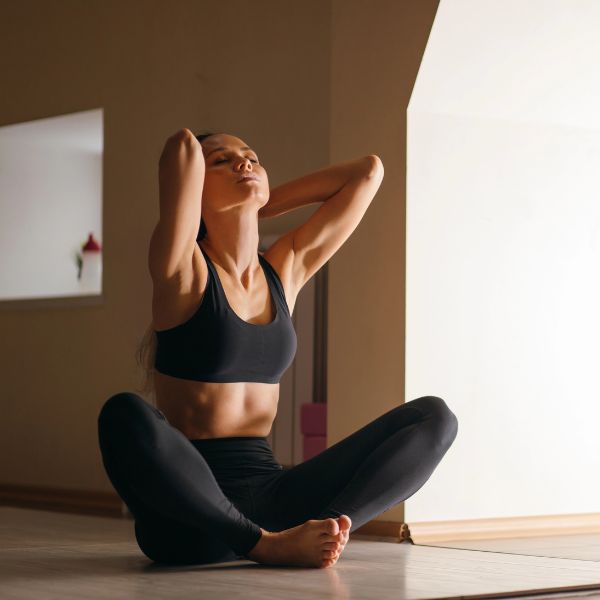
Box Breathing
Sit tall and soften your shoulders. Inhale through your nose for 4 counts, hold for 4, exhale for 4, hold for 4. Repeat for 4–6 rounds (about 1–3 minutes). Keep your attention on the feeling of air moving and your belly rising and falling. If your mind wanders, gently return to the count and the sensation of breathing. Go slower if you feel rushed; the steadiness is more important than the exact numbers.
Quick Body Scan
Sit or lie down and close your eyes if comfortable. Starting at your toes, notice sensations: warmth, pressure, tingling, or neutrality. Move your attention slowly up through calves, knees, thighs, hips, belly, chest, hands, arms, shoulders, neck, and face. Spend 5–10 seconds per area. No need to change anything—just notice. If you find tension, breathe into that spot and soften slightly on the exhale. Two to three minutes is enough to reset.

Mindful Walking
Choose a short, quiet path or hallway. Walk a touch slower than usual. Feel your feet lift, move, and land—heel to toe. Notice weight shifting, your arms swinging, air on your skin, and your breath. Keep your gaze soft and pick up a few sights and sounds without chasing them. When thoughts pull you away, return to the simple rhythm of footfalls and breathing. Try 5–10 minutes or a few mindful laps between tasks.
Grounding Sequences
Pause and take a slow breath. Name, in your mind, 5 things you can see, 4 you can feel (clothing, chair, air), 3 you can hear, 2 you can smell, and 1 you can taste. Move steadily, not hurried. If any sense draws a blank, linger with your breath or repeat another sense. This quick scan brings you back to the present and steadies spiraling thoughts. Use it anywhere—in meetings, lines, or before sleep.

Mindful Sipping
Hold your cup and notice temperature, weight, and aroma. Take a small sip (I prefer tea!) and let it roll across your tongue. Track flavor, texture, and warmth or coolness as you swallow. Rest for a breath or two between sips. If your mind jumps to plans or judgments, label it “thinking” and return to the next sip. Two to five minutes of attentive sipping turns a routine drink into a calming pause.
Mindful Listening
Sit comfortably and choose a simple soundscape: a favorite instrumental track or the ambient sounds around you. Close your eyes if it helps. Notice layers—low tones, high tones, pauses, echoes. When thoughts appear, gently guide attention back to the next sound entering your awareness. See if you can follow one note until it fades. One song or 3–5 minutes works well. End by noticing how your body feels compared to when you started.

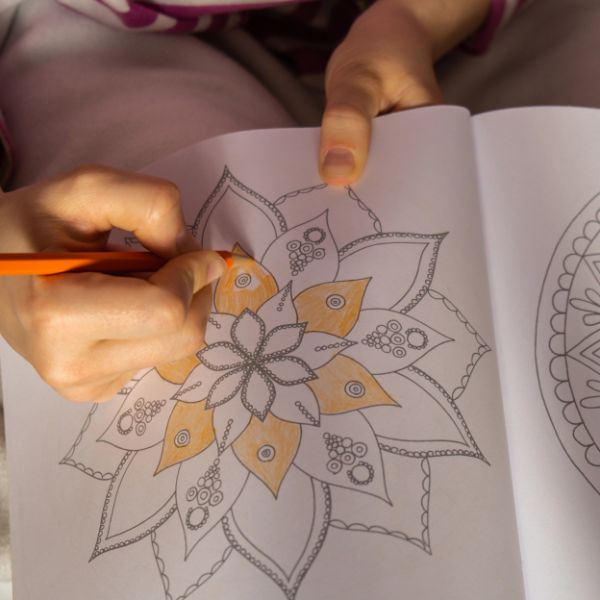
Mindful Doodling
Grab a pen and paper. Set a timer for 3–10 minutes. Draw slow lines, dots, or repeating shapes (waves, squares, spirals). Let your hand move with your breath—inhale, trace; exhale, complete. Keep eyes on the line, noticing pen pressure, paper texture, and the sound of the nib. If critique pops up, label it “judging” and return to the next mark. There’s no goal to finish; the process is the practice.
Mindful Stretch Reset
Stand or sit tall. Inhale and roll your shoulders up; exhale and roll them back and down. Gently tilt your head side-to-side, breathing into the stretch. Reach one arm overhead for a side bend; switch sides. Coordinate each movement with slow breaths, staying within a comfortable range. Feel muscles lengthen and release. Two to five minutes is enough to ease tension and re-energize your focus. Finish with one deep breath and a soft posture check.

Starter Tools
You only need 4 items to Start!




How to Start a Daily Mindful Habit
Starting a daily mindful habit is easier when it rides along with things you already do. Pick one tiny practice (1–3 minutes) and attach it to a cue you can’t miss—after brushing your teeth, while coffee brews, or before opening your inbox. Choose a default go-to (like box breathing) and a backup for busy days (three slow breaths). Make it obvious and easy: a sticky note on your mug, headphones on your desk, a timer shortcut on your phone. Track with a simple checkmark and celebrate showing up. If you miss, no worries—notice what got in the way, tweak the cue, and try again tomorrow.
7 Day Mini Mindfulness Challenge
- Day 1 — Gratitude Snapshot
- Day 2 — Mindful Hand Wash
- Day 3 — One-Object Study
- Day 4 — Color Hunt
- Day 5 — Phone Pause
- Day 6 — Loving-Kindness Micro
- Day 7 — Thought Labeling
So, What is Mindfulness?
Mindfulness is just being in the moment with calming practices.
Mindfulness doesn’t ask for more hours in your day—it slips into the ones you already have. A minute here, a breath there, a small pause before the next thing. That’s enough. Progress isn’t dramatic; it’s the quiet skill of noticing and gently returning, over and over, without making yourself wrong for wandering. Keep it kind, keep it tiny, and let consistency do the heavy lifting.
As you experiment with the micro practices, treat them like friendly check-ins rather than chores. Some days will feel clear; others won’t. Both count. Each small act of attention nudges your nervous system toward steadiness and gives you a little more space to choose your next move. Wherever you are—busy morning, late-night scroll, in-between moments—you can begin again with a single breath. You’re building something real, one simple pause at a time.