This article is about living a mindful lifestyle. We’re going to break down the meaning of a mindful lifestyle, the top 10 benefits, and 5 mindfulness exercises you can try right now. This is not about overhauling your life; it’s just a few tips and practices that will add mental clarity, reduce stress, and increase your energy.
Ready to learn how to live mindfully?

Some links in this post are affiliate links. This means I may earn a small commission — at no extra cost to you — if you purchase through these links. Thank you for supporting this blog and helping me continue creating free content. See Disclaimer.

What is a Mindful Lifestyle?
Put simply, a mindful lifestyle is about bringing mindfulness and mindfulness practices into your daily life. These practices will help you stay present, grounded, and connected in everything you do, whether it’s during a moment of reflection or while interacting with the world around you.
Don’t just take my word for it; a meta-analysis conducted by Goyal M et al. in 2014 found mindful meditation gives a holistic boost to your mental, physical, emotional, and social well-being.
Find out More About Mindfulness!

Top 10 Benefits of Mindfulness
Here are ten real-life benefits of mindfulness. These can show up across your life. Think small, simple practices that add up over time.

Stress Response
You’ll notice a little more space before the spiral. A few steady breaths or a two-minute body scan can soften tension and help you reset instead of rush.
Sharper Focus
Mindfulness trains your “attention muscle,” so it’s easier to finish what you start and ignore the noise. Even a short, phone-free pause can bring your brain back online.
Mood Regulation
You still feel things, but you’re less swept away. Naming what’s here (“tight chest, worried thoughts”) helps you respond with kindness instead of auto-pilot reactions.
Better Sleep
Gentle wind‑down rituals, like a slow tea or a mindful stretch, tell your body it’s safe to rest. Falling asleep (and staying asleep) tends to feel a bit easier.

Affirmations are an Easy Wind-Down Ritual for Sleep

Heart Health
Regular practice can nudge down stress reactivity, which may support healthier blood pressure and a steadier heart rate over time. Think small, daily moments of calm.
Pain Management
Mindful awareness can change how you relate to discomfort, reducing the “fight” and easing the overall load. Body scans and paced breathing can help.
More Self-Compassion
You treat yourself like you’d treat a friend: with patience, perspective, and softer inner talk. That makes growth and change feel more doable.
Better Communication (Empathy)
Being present helps you actually hear people. You pause, listen, and respond instead of reacting, which warms up your connections.

Increase Self-Compassion and Self-Love with Affirmations

Boosted Creativity
When your mind isn’t juggling a thousand tabs, fresh ideas slip in. A mindful walk or a quick doodle can spark new angles.
Increased Gratitude
Mindfulness turns small moments—sun on your face, the first sip of coffee—into real nourishment. You feel more grounded and grateful, right where you are.
How to Practice Mindfulness in Daily Life
Yes, Mindfulness is great for everyone. The world today is busy and overwhelming. I constantly find myself thinking about what I will be doing tomorrow, next week, and next month. The added calm and focus that mindfulness gives is what I love the most. But as a beginner, how do you add mindfulness to your daily life?
It is actually easier than you think. Mindfulness doesn’t have to be a 30‑minute sit on a cushion—it’s more like tiny, repeatable moments that help you come back to yourself. Think of it as sprinkling little “reset buttons” through your day so you feel steadier, clearer, and more present without overhauling your routine.
Follow A Mindful Haven on Instagram for more 1-minute tasks (“Mindful Reminder”) you can do to sprinkle mindfulness into your daily life.
- Three‑breath reset — Pause anytime; inhale, exhale… three times. Notice the chest, belly, and shoulders soften.
- Single‑task timer — Pick one task, set 10–20 minutes, and give it full attention. No tabs, no toggling.
- Mindful walking — On the way to the kitchen or car, feel heel‑to‑toe and the swing of your arms.
- STOP method — Stop, Take a breath, Observe (thoughts, feelings, body), Proceed with care.
- Gratitude snapshot — Name one good thing from today—something tiny counts. Let it land for a few breaths.
- Daily wind‑down — Create a 5–10 minute ritual: light stretch, dim lights, slow breath to signal “off‑duty.”
Tips for Easy Mindfulness
Let’s turn mindfulness into muscle memory, not another task to remember. When you build it into what you already do, the repeatable moments become habit. Pretty soon, you will be living a mindful lifestyle with overhauling your life, but instead, you are adding to it. Here are some simple tips to give you a routine that will carry you when motivation wanes and distractions get in the way:
- Visual Cues: When my head is full of a million thoughts, a simple sticky note can bring me back to the present. Like a note on my bathroom mirror to “Breathe.”
- Habit Stack: I drink coffee every morning. I can easily pair that with a minute of gratitude.
- Keep It the Same: Consistency beats variety. Using the same cue, at the same time, just makes mindfulness thoughtless.
Mindful Lifestyle Starter Kit
Handpicked essentials to help mindfulness slip into your day.


5 Mindfulness Activities for a Mindful Lifestyle
Ready to make mindfulness feel like part of your day, not another thing on your to‑do list? Let’s go deeper into your mindful practice with some Mindful Activities. They’re not quick fixes—they’re ways of paying attention that can shape your days from the inside out. Pick the one that feels most doable right now and give it a simple container: 10–30 quiet minutes, phone on Do Not Disturb, a corner that feels safe.
Expect some awkwardness at first. That’s part of it. Show up, breathe, notice, begin again. Repeat the same practice for a week or two and watch what softens—stress, reactivity, that edge in your voice. Think of this as the start of a mindful lifestyle: fewer autopilot moments, more choice. Ready? Choose one, start gently, and let depth build with practice.

Journaling
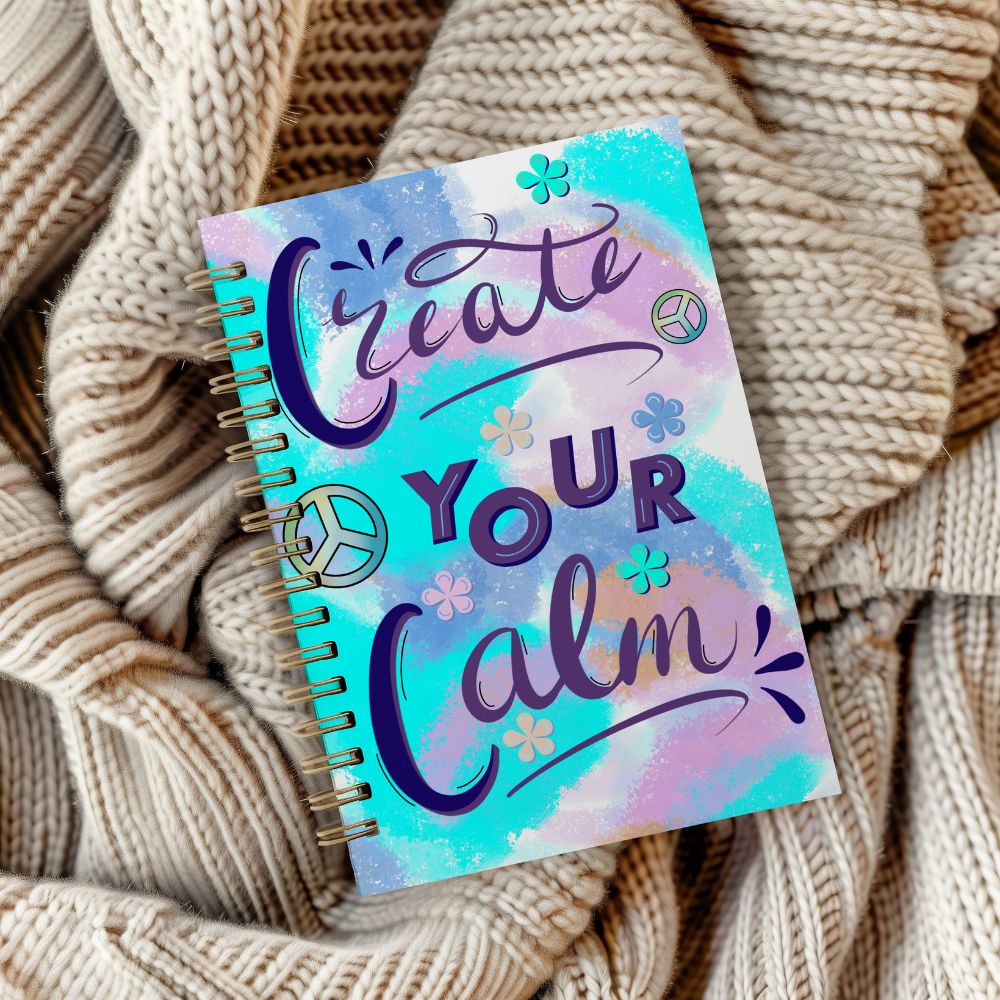
Journaling is a friendly place to park your thoughts and hear yourself. Grab a notebook, set a timer, and write without editing—messy is perfect. Try prompts like “Right now I feel…,” “What I need is…,” or three gratitudes. If emotions spike, slow your pen and breathe. Date your pages and reread weekly, noticing themes and small wins. Aim for 10–20 minutes, days. Show up curious, not correct; let the page meet you where you are.
Affirmations
Affirmations work best when they feel believable. Choose one to three statements that nudge you forward, like “I’m learning to trust myself,” “I choose small steps,” or “My pace is enough.” Speak them slowly, tie them to your breath, and repeat morning and evening. Write them on a sticky note where you’ll see them. If you tense up, tweak the wording until it feels 60–70% true. Then pair it with action, the tiniest next step.

Yoga
Think of yoga as mindful movement rather than a workout. Roll out a mat or use the floor, choose a gentle video or a few familiar poses, and let breath lead the pace. Try cat-cow, child’s pose, slow forward fold, and simple twist. Notice sensation, not stretch goals. If something hurts, back off or skip it. Close with a few minutes of stillness. Ten to thirty minutes is plenty. Meet your body where it is.
Meditation
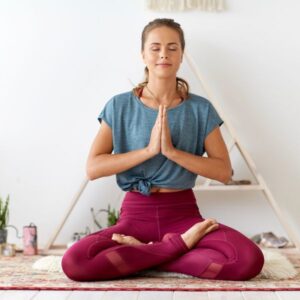
Meditation is a practice of coming back, kindly. Sit or lie down, set a timer, and choose a simple anchor—your breath, sounds, or the feeling of your hands. When thoughts wander (they will), label “thinking” and return to the anchor without drama. Start with five to ten minutes and build. Eyes can be closed or soft. End by noticing one thing you appreciate. Consistency matters more than length; show up days and let it accumulate.

Coloring
Coloring offers a way to settle your mind through your hands. Choose a simple coloring book or print a page with large shapes. Pick colors that match your mood, or the opposite if you want a shift. Breathe, relax your grip, and let strokes be slow and imperfect. Notice the scratch of pencil, the blending, the moment you stop thinking. Music is optional. You don’t have to finish. Ten to twenty minutes can feel restorative.
So… Do You Want a Mindful Lifestyle?
A mindful lifestyle isn’t a makeover; it’s a relationship with your moments. We talked and how mindfulness can ease stress, clarify choices, and soften reactivity, plus ways to weave it into daily life—pauses, cues, and kindness. When you’re ready to go deeper, try one of the mindful activities we suggestd. If you want to learn more about one Activity, explore our blog or follow us on Instagram, where we are doing deep dives about each one. I encourage you to give mindfulness a try. Take your time, repeat gently, and notice what shifts. Most days is enough. Miss a day? Begin again. Let curiosity lead, not pressure. Pick one practice for the next week, set a reminder, and meet yourself where you are. This is how mindfulness becomes a way of living.