If you’ve ever wondered “what is slow living,” you’re in the right place. Think of it as permission to move at a human pace: fewer tabs open, more presence, and choices that match your values. In this beginner-friendly guide, we’ll unpack what slow living really means, who it’s for, the benefits, and what a typical day can look like. You’ll get simple habits to try, a few mindful activities to ground your routine, and a fresh take on mindful travel as a beautiful way to practice slow living beyond home. We’ll also share a few favorite tools and a trip idea to help you ease into this gentler, more intentional way of living.

Some links in this post are affiliate links. This means I may earn a small commission — at no extra cost to you — if you purchase through these links. Thank you for supporting this blog and helping me continue creating free content. See Disclaimer.

What is Slow Living?
Slow living is the gentle reminder that life isn’t a race—and you’re allowed to move at a human pace. It asks a simple question: what matters, and what can wait? Instead of cramming every minute, you choose fewer, fuller moments: a quiet breakfast, a walk without headphones, one task done well. If you’re wondering “what is slow living,” think of it as clearing the noise so you can hear your own rhythm again.
It’s not about throwing away ambition; it’s about right-sizing your energy and attention, so the important things get your best self. Slow living favors presence over pressure, values over autopilot, and meaningful routines over constant urgency. Practically, that might look like planning buffer time, leaving white space on your calendar, cooking simple meals, and stepping outside daily. Small, consistent choices create a perfect pace that supports your well-being. Slow doesn’t mean boring; it means alive.
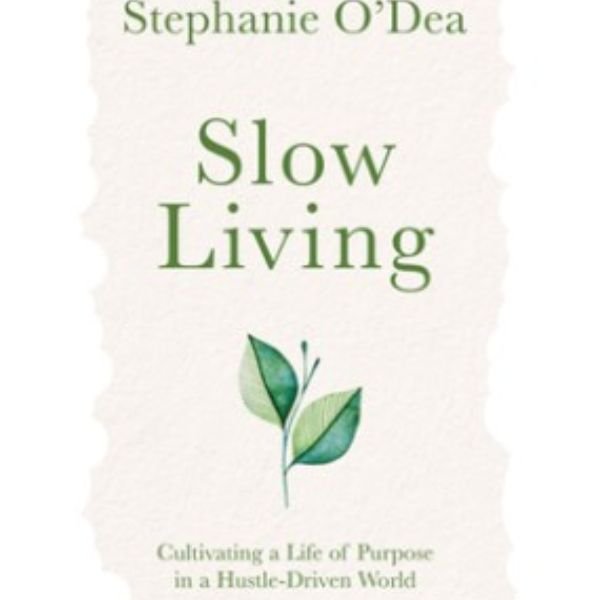
Slow Living: Cultivating a Life of Purpose in a Hustle-Driven World
A warm, practical nudge toward less rush and more intention. It blends stories with doable steps. Think simpler routines, gentler rhythms, clearer priorities. You’ll finish feeling seen, and equipped to start small changes that actually stick in everyday life.
5 Benefits of Slow Living
Here’s exactly what you are getting when you embrace the slow life:
Related Post: How Mindfulness Boosts Creativity
Who is Slow Living For?
Slow living is for anyone who’s tired of feeling hurried but not willing to miss their own life. If you’ve ever finished a week and wondered what you actually enjoyed, you’re in the right place. Whether you’re a student, parent, caregiver, creative, or professional, the question isn’t “Can I go off-grid?” It’s “How can I live at a kinder pace within my real constraints?”
Slow living welcomes ambition and responsibility; it simply invites intention. You can want big things and still protect white space. If you’ve been asking what is slow living, think of it as choosing presence over pressure, a beat at a time. It works in city apartments, shared houses, and busy suburbs.
Start by noticing what drains you versus what restores you, then make one small trade. For example, less scrolling for more reading; fewer late nights, more morning light. Tiny shifts add up to a softer day of ease.
You might resonate if you:
What is Slow Living Life Normally?
A slow-living day starts with margin, not a burst. You wake without grabbing your phone. There’s water, a stretch, maybe sunlight at the window. Breakfast is simple and unrushed: toast, fruit, coffee you actually taste. Work happens in focused blocks, with tiny pauses between to step outside or breathe. Errands are grouped; you say no to the extra trip. Lunch is away from the screen. Your afternoon includes a short walk or a few yoga poses. The evenings lean cozy: an easy dinner, music, conversation, a book. Lights dim earlier than you think. There’s room for spontaneity because you left white space (space for your brain or body to recover). It’s ordinary, not performative. Think less “aesthetic,” more aligned. That’s “what is slow living” in practice: fewer distractions, better attention, and a smooth pace that leaves you feeling human.
Slow Living Essential Toolkit
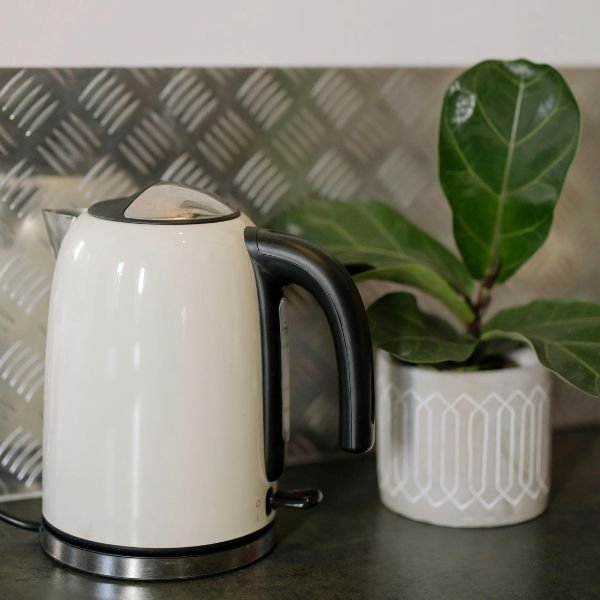
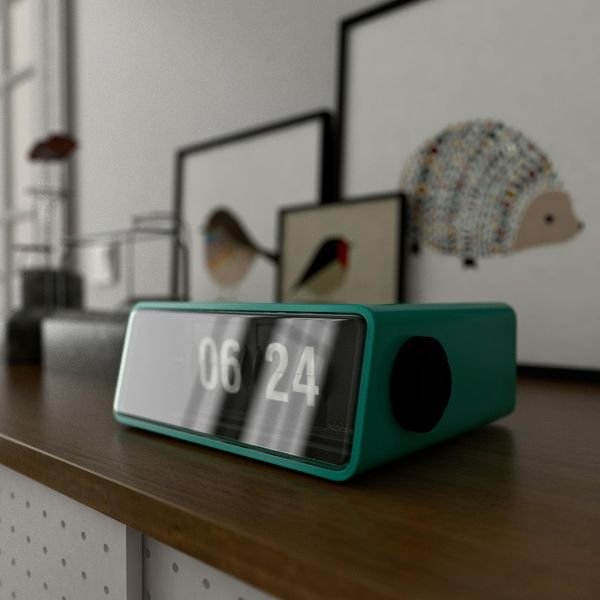
This will help you start adding white space to your day.


6 Slow Living Habits for Beginners
Starting slow living doesn’t require a cabin or a sabbatical (though those are nice). It asks for tiny, repeatable shifts you can fold into a busy life. Think of something easy, like no screens before 7 A.M. Pick one habit, practice it for a week, and notice the ripple. When it sticks, add another. Small, steady changes beat big, brittle overhauls every single time.

Morning Margin
Create a 15-minute buffer at the start of your day. No phone, no email, no news. Just water, light, breath, and one simple action that grounds you: make the bed slowly, stretch, or step outside. Keep it ordinary and repeatable. Set a gentle alarm, place your phone across the room, and prep a glass of water the night before. If 15 minutes feels impossible, start with five. Protect the pocket by saying no to late-night scrolling. That small margin softens the morning rush and sets your pace—calm first, tasks second.
Single-Tasking Sessions
Pick one task and give it a home: a start time, a clear goal, and a short block—25 to 50 minutes. Close extra tabs, silence notifications, and put your phone in another room. Keep a scrap paper for “later” thoughts so you don’t chase them. Begin with three grounding breaths, then work steadily. When the timer ends, step away for two minutes: water, stretch, window. One task done with full attention often beats three half-finished tasks. Single-tasking is how slow living meets productivity.


Tech Boundaries
Make your phone a tool, not your default environment. Set app limits for the big distractors, and create a “phone parking spot” at home—a shelf or box where it rests. Turn off nonessential notifications, especially badges. Batch messages at set times instead of peeking all day. Use grayscale in the evening, and charge your phone outside the bedroom. Tell your people the new plan so they know how to reach you in a pinch. This isn’t anti-tech; it’s pro-attention. Fewer interruptions equal steadier focus, warmer conversations, and more moments you’ll actually remember.
Mindful Meals
Eat at least one meal or snack without a screen each day. Sit down, take three breaths, and notice the colors and smells. Serve a little less than usual to start, and eat slowly enough to taste individual flavors. Put the utensil down between bites. If you’re with someone, ask one good question and really listen. If you’re solo, look out a window or light a candle. Keep meals simple: a bowl, a plate, no performance. When you’re done, pause for thirty seconds and notice how you feel.


Gentle Movement Ritual
Choose a short, kind routine you can repeat: a ten-minute walk, a few yoga poses, or light stretching while the kettle boils. Tie it to a cue so you don’t rely on willpower—after lunch, when you park, or before your shower. Keep the bar low and the feeling pleasant. Track how you feel before and after to notice wins: looser shoulders, steadier breath, better mood. If time is tight, do two minutes and call it done. Consistency matters more than intensity. Movement clears mental fog, supports sleep, and reminds you you’re a body, not just a brain on a screen.
Yoga is the BEST Gentle Movement. Learn Some Beginner Poses HERE
Weekly Reset
Once a week, spend 30–60 minutes resetting your environment and calendar. Clear surfaces, do a quick tidy, prep groceries, look at the week ahead, and block true white space—unplanned time. Protect it like an appointment. List your three must-dos, three nice-to-dos, and one rest anchor. Ask, “What can be simpler?” Batch errands, decline extras, and build buffers around big days. End with something pleasant: tea, a bath, a short walk. This rhythm shrinks decision fatigue, reduces surprises, and keeps your pace humane. It’s the practical backbone of what is slow living. A reset is about less chaos, more intention, and room to enjoy real life.

Mindful Activities for Slow Living Beginners
Mindfulness and slow living are teammates. Simple practices help you notice life while you’re in it, not only in hindsight. Just like with habits don’t rush or try to be perfect. Pick one activity you can meet daily for five minutes. Keep it low-friction and repeatable. Here are three beginner-friendly options that gently train presence without adding pressure for anyone.

Mindful Walking
Take a slow, phone-free walk for five to ten minutes. Feel your feet roll, notice the swing of your arms, and let your eyes land on colors and shapes. Breathe in through your nose, out longer through your mouth. If thoughts pull you, name one thing you see and return to walking. No steps goal, no podcast, just being where your feet are.
Tea or Coffee Ritual
Brew a cup with full attention. Listen to the water, feel the warmth, notice the aroma. Sit while you sip. No scrolling, no multitasking. Count three breaths before each sip, and let your shoulders soften. If your mind races, label it “thinking” and return to the cup. Keep the setup simple so it’s easy to repeat. This tiny ceremony builds presence and pleasure into an ordinary moment, exactly what slow living aims for. Over time, the ritual becomes an anchor that signals “we’re not rushing,” a daily pause you’ll genuinely look forward to.


One-Page Evening Journal
Close the day with one page. Split it into three quick parts: “Today I noticed…,” “I’m grateful for…,” and “One gentle intention for tomorrow….” Keep it messy and honest. This simple check-in helps you process the noise, celebrate the good, and choose one next step. Done consistently, it lightens mental load and improves sleep—pillar benefits of what is slow living. Keep a pen and notebook visible, set a two-minute timer, and stop when it rings. If you miss a day, begin again without drama
Mindful Travel: The Ultimate Slow Living
Mindful travel is slow living in motion: fewer stops, deeper stays, and attention turned toward place, people, and pace. Instead of collecting checkmarks, you create memories with texture—smells, conversations, quiet streets at sunrise. Choose quality over quantity and let curiosity, not urgency, set the itinerary.
Here’s how mindful travel aligns with what is slow living:
Take a Slow Living Trip: Italian Yoga Retreat
Want to experience slow living in real life? Consider this 6-night yoga retreat in the Tuscan countryside with Cassandra and Marilva. It’s designed for presence, not hurry: daily yoga and meditation, nourishing breakfasts, and chef-prepared three-course dinners (wine included).

What is Slow Living? It’s When You Start Living Intentionally Slow
Slow living isn’t a makeover; it’s a re-centering. You asked, “what is slow living?” It’s choosing presence over pressure, tiny habit by tiny habit. Start with one practice from this guide, add a product if it genuinely helps (Check out our Resource Library for more suggestions), and protect a little white space on your calendar. Over time, you’ll notice more calm, clearer priorities, and energy for what matters most. If this resonated, explore the rest of the blog for beginner-friendly mindfulness ideas, grounding techniques, and practical routines. Your slower, fuller life can start today.